
On 10 and 11 June, the IACTEC facilities – the technology transfer and business collaboration hub of the Canary Islands Institute of Astrophysics (IAC) – will host the meeting of the European Space Agency’s (ESA) Science Programme Committee (SPC), the body responsible for deciding how funds allocated to ESA’s science programme should be managed and for what purposes. The meeting in Tenerife brings together representatives from the 23 ESA member states and specialists involved in the planning, selection and monitoring of the scientific projects that will shape European space science in the coming decades.
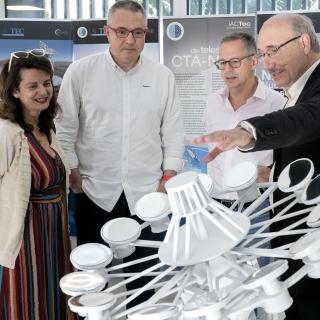
The President of the Tenerife Island Council, Rosa Dávila, and the Island Councillor for Innovation, Research and Development, Juan José Martínez. The President of the Island Council highlighted the institution’s commitment to science, innovation and space technologies as drivers of development for the island.
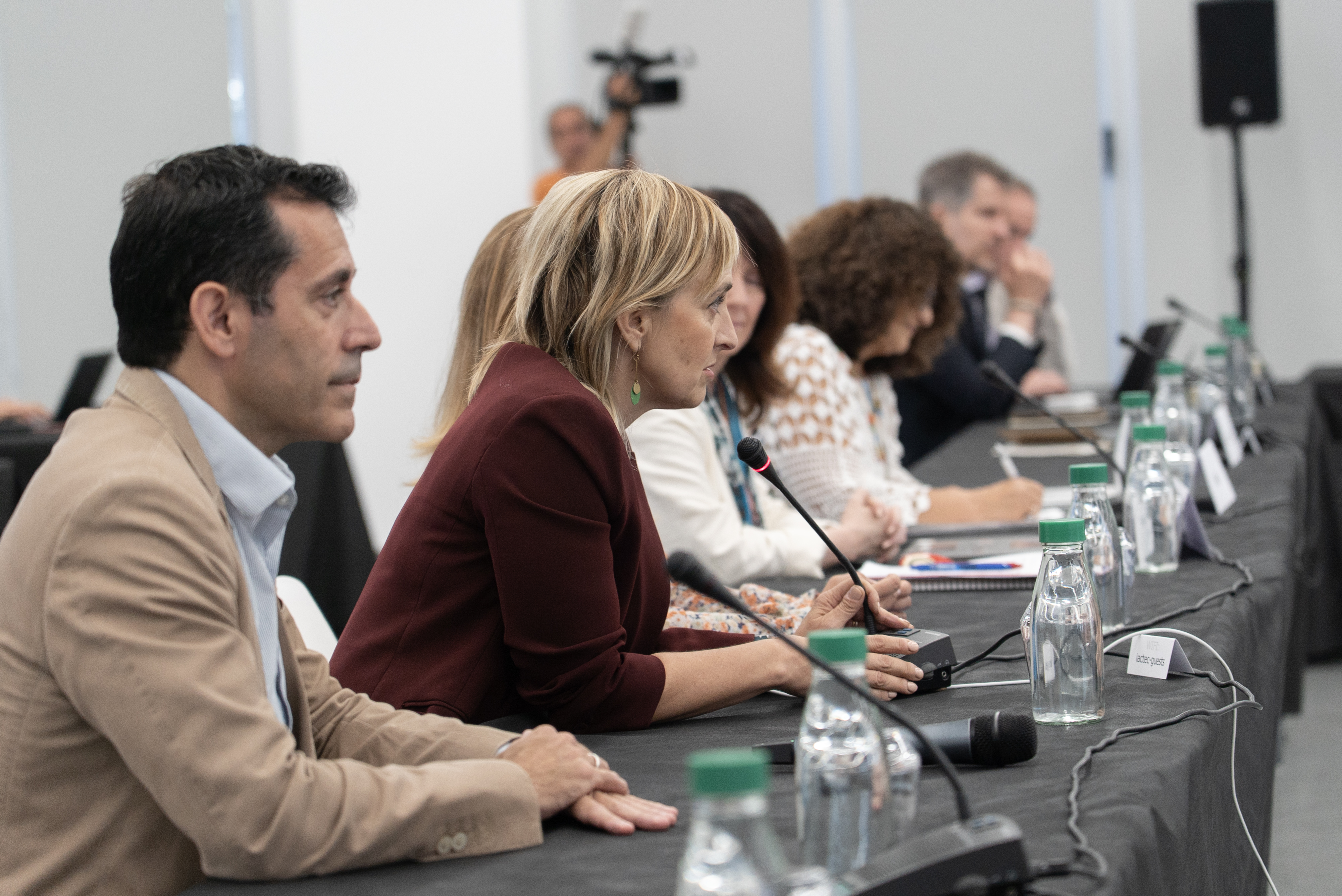
The welcome address also featured a contribution from the deputy director of the IAC, Eva Villaver, who emphasised the importance of the meeting for the future of European space exploration. “This is the meeting where political decisions are made and where missions are given the green light, where it is decided whether they go ahead or not,” she explained. Villaver also highlighted the choice of Tenerife as the venue for this year’s committee meeting. As she pointed out, this is the last SPC meeting chaired by Cecilia Hernández, who is also Director of Programmes and Industry at the Spanish Space Agency (AEE) and has chaired the meeting in recent years. “The chair has the option of deciding where she wants to hold the meeting and, as a true native of La Laguna, she has chosen La Laguna, knowing that she would have the IAC’s full logistical support,” she said.
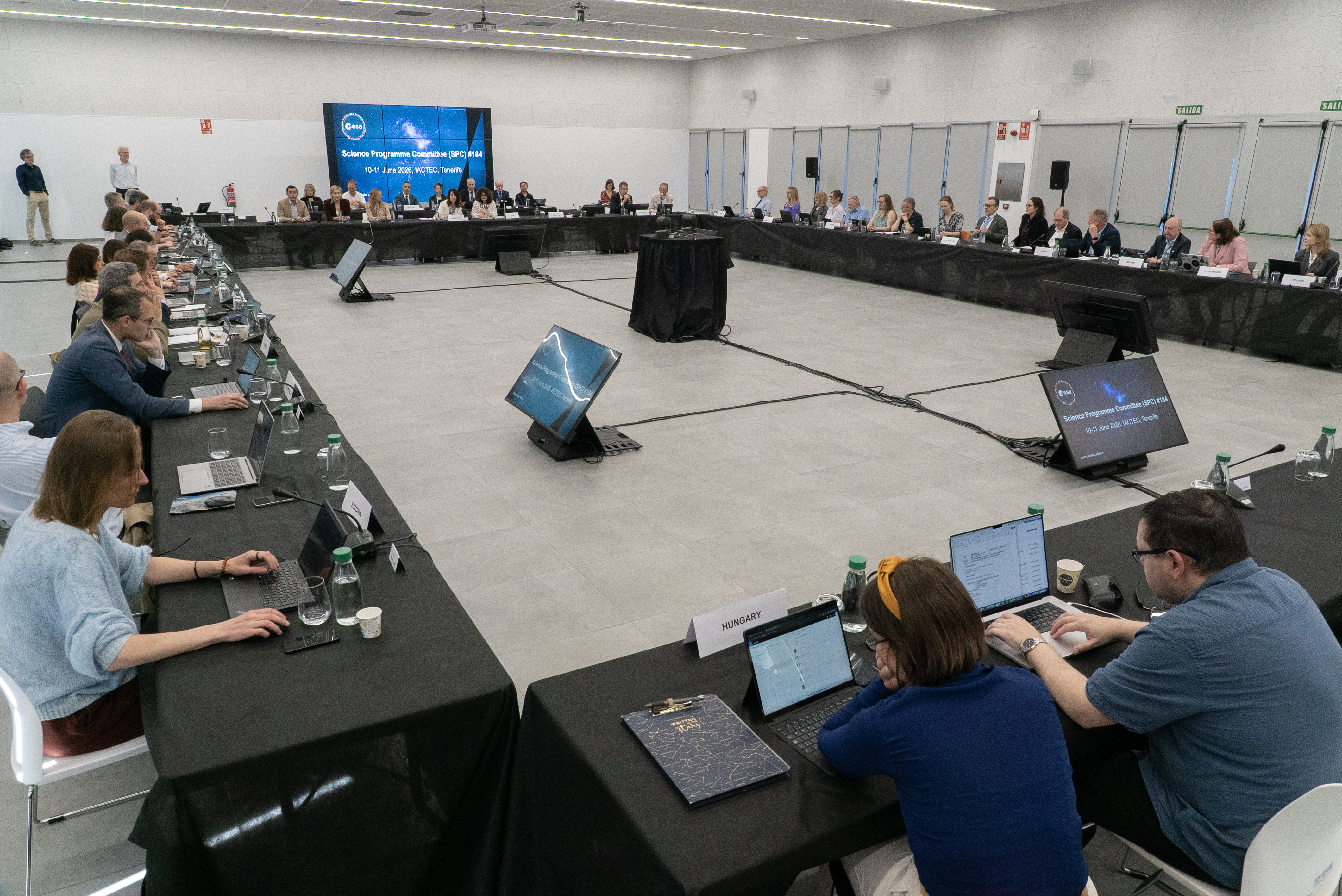
The SPC is the only committee whose establishment is expressly provided for in the ESA Convention. Its functions include advising the Agency’s Council on all matters relating to the mandatory science programme, monitoring scientific projects from their selection through to their implementation, and evaluating prospective studies aimed at preparing and selecting future space missions.
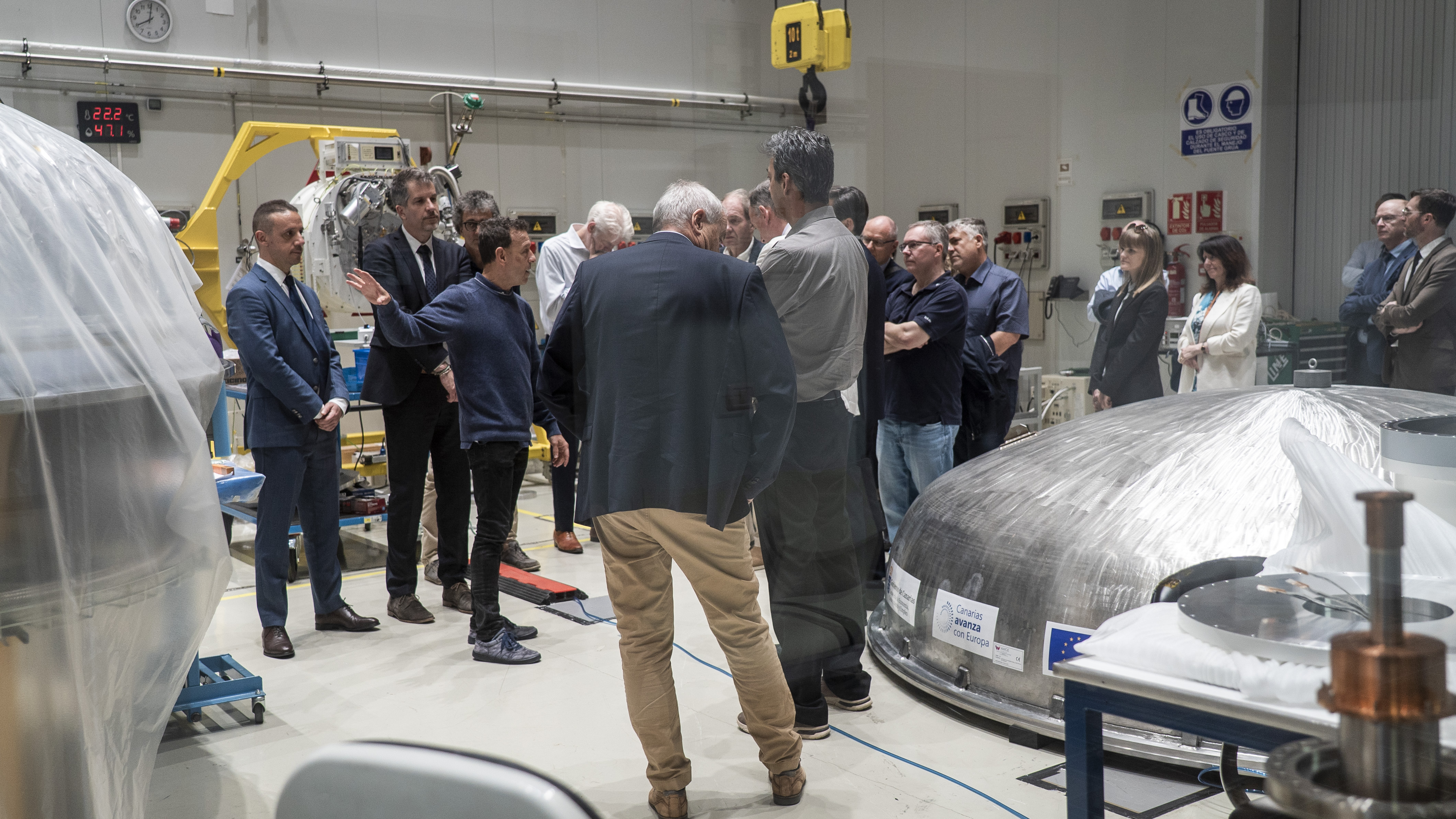
In addition to the working sessions, committee members will have the opportunity to see some of the IAC’s main scientific and technological facilities at first hand. Today, Wednesday, they will visit the headquarters in La Laguna.
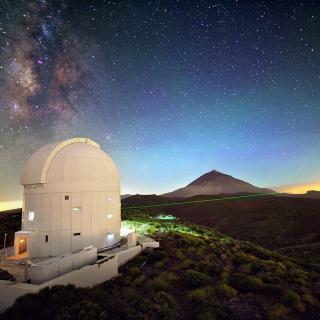
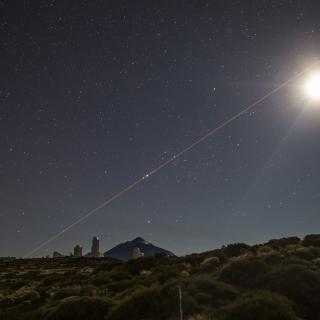
The agenda for the meeting also includes a visit to the Teide Observatory tomorrow, 11 June, where attendees will have the opportunity to discover one of the world’s most important astronomical facilities and learn about the role played by the Canary Islands in international research in astrophysics and space sciences.
The holding of this meeting in Tenerife reinforces the role of the IAC and the Canary Islands as international leaders in astronomical and space research, as well as their growing importance as a hub for technological innovation linked to the aerospace sector.