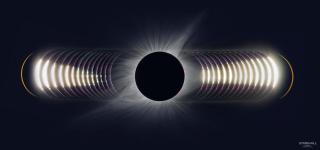
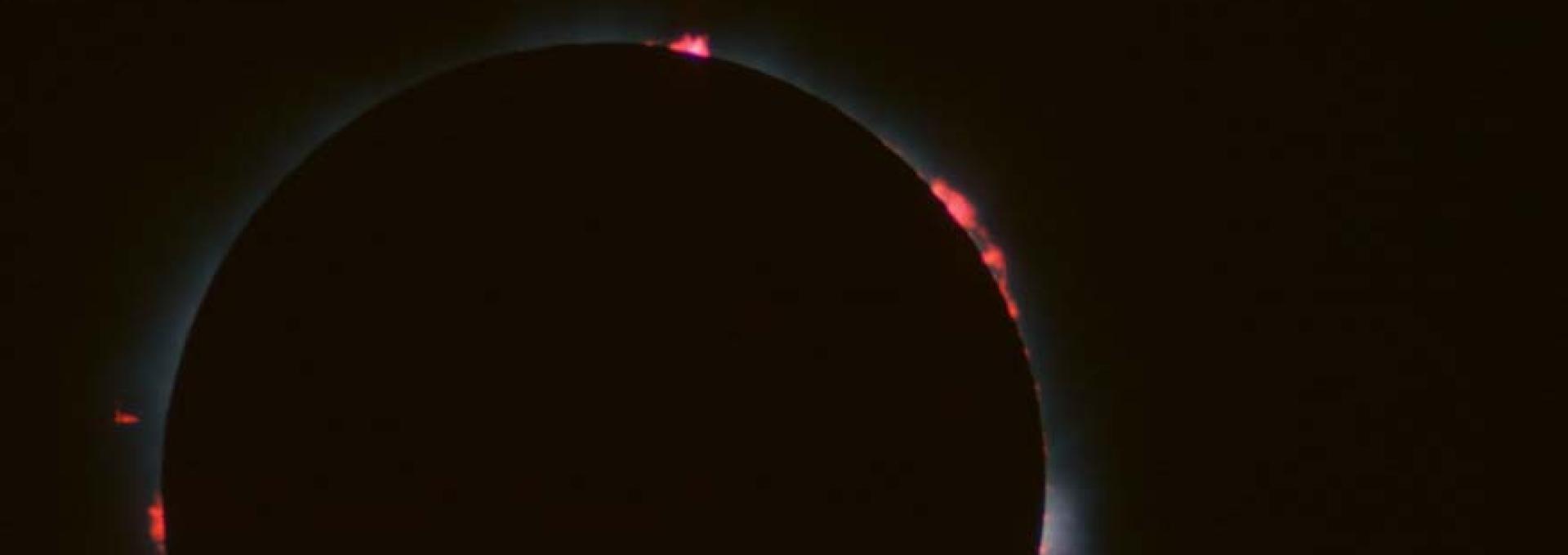
The NATE project, which will take place during the solar eclipse on August 2, 2027, in Morocco—and whose teams will train in Palencia during the eclipse scheduled for August 12—is characterized, among other things, by the involvement of Spanish, Moroccan, and American members, reflecting a commitment to international cooperation as a hallmark of scientific work.
For this reason, and in collaboration with the Palencia City Council, we wanted the educational program to be held in Palencia to coincide with the upcoming eclipse to also reflect the multicultural reality that is so intimately part of the project’s essence, as well as to cater to the diversity of the audience that will come to enjoy this unique moment.
It will do so through two separate programs—one in English and one in Arabic—to be held at the Teatro Principal, both at 12 p.m., featuring leading experts who will address topics related to the eclipse, citizen science, and how advances in astrophysics benefit other sectors through technology transfer.
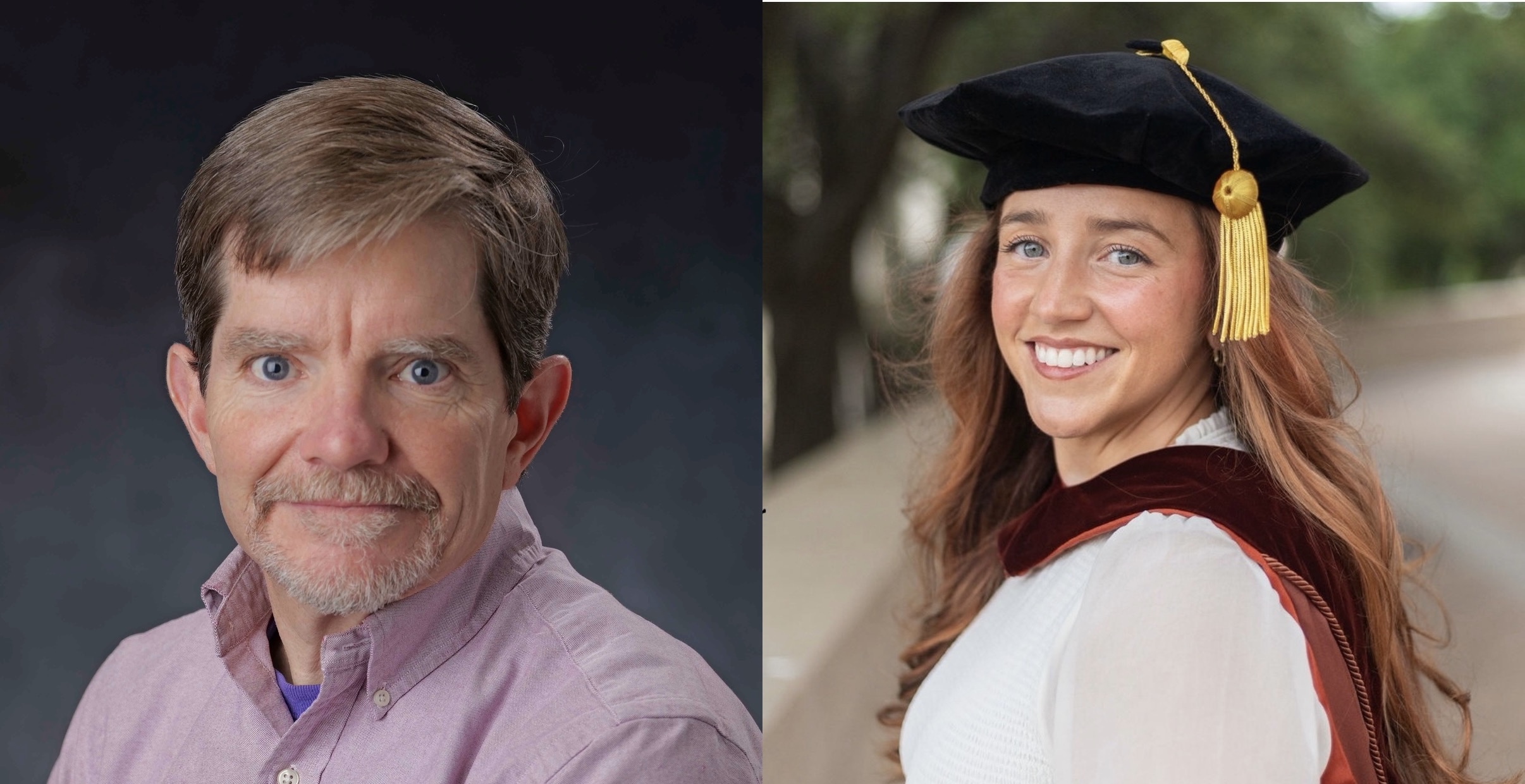
Tuesday, August 11. Program in English
The program will feature two talks. The first will be given by Kevin Reardon, one of the world’s leading solar physicists, for whom this will be his eleventh eclipse. He is an astronomer at the National Solar Observatory in Boulder, Colorado, where he uses exciting new data from the NSF’s Daniel K. Inouye Solar Telescope (DKIST), the world’s largest optical solar telescope. His talk will be titled “Chasing Shadows: 150 Years of Scientists Pursuing Discoveries During Eclipses.”
The session will be completed by Lindsay House, a postdoctoral research fellow at the University of Chicago and the NSF-Simons Institute for Astronomy in the Sky, as well as the lead scientist for Zooniverse’s (NASA) citizen science project, Dark Energy Explores. She will speak to us about “Harnessing Machine Learning and Citizen Science: How You Can Help Create a Map of the Universe to Uncover the Mystery of Dark Energy!”
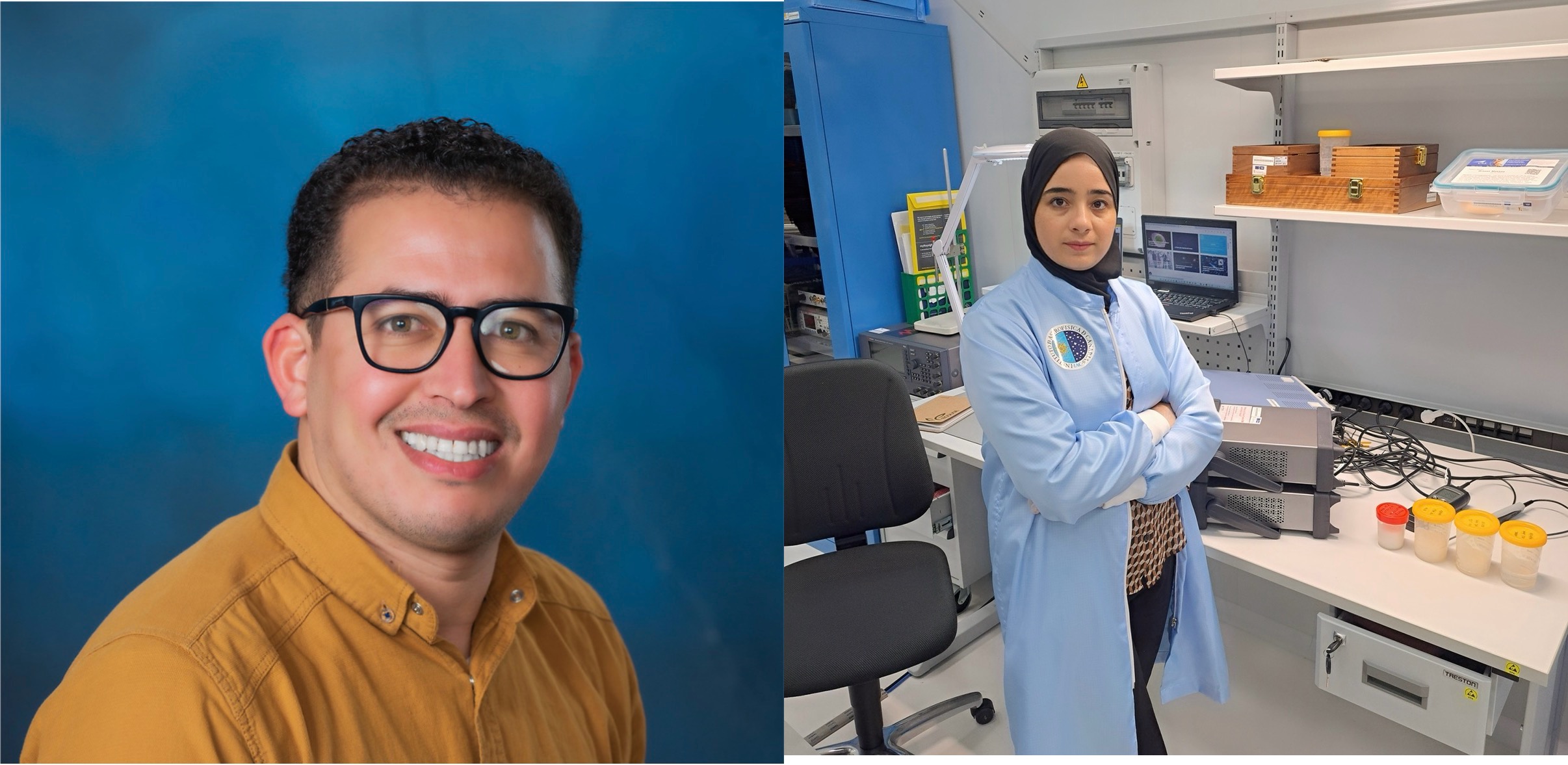
Wednesday, August 12. Program in Arabic
The next day will feature talks in Arabic. The first will be given by Youssef Moulane, a research scientist in astronomy and astrophysics at Mohammed VI Polytechnic University (UM6P) in Morocco. Previously, he worked as a postdoctoral researcher at Auburn University (U.S.). He will speak to us about “The Eclipse.” An opportunity to understand how the Sun works / الكسوف: فرصة لفهم كيفية عمل الشمس
Badiaa Ait Ahmed, a researcher in the Medical Technology department at the IAC, as part of the IACTEC project, will give us a second talk titled “Technology Transfer: From Astronomical Instrumentation to Biomedical Applications” / من المراصد الفلكية إلى الابتكار الطبي: رحلة في نقل التكنولوجيا
You can view the full program here.