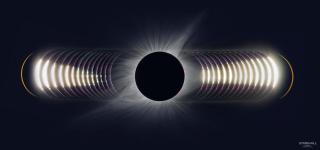
We’re counting down to one of the greatest spectacles the sky has to offer: a total solar eclipse on August 12. The IAC will take this opportunity to launch the first phase of the NATE project, along with a full program of educational activities, in Palencia. And this is helping us see how this phenomenon continues to generate excitement that’s almost—or perhaps even quite—on par with a World Cup final.
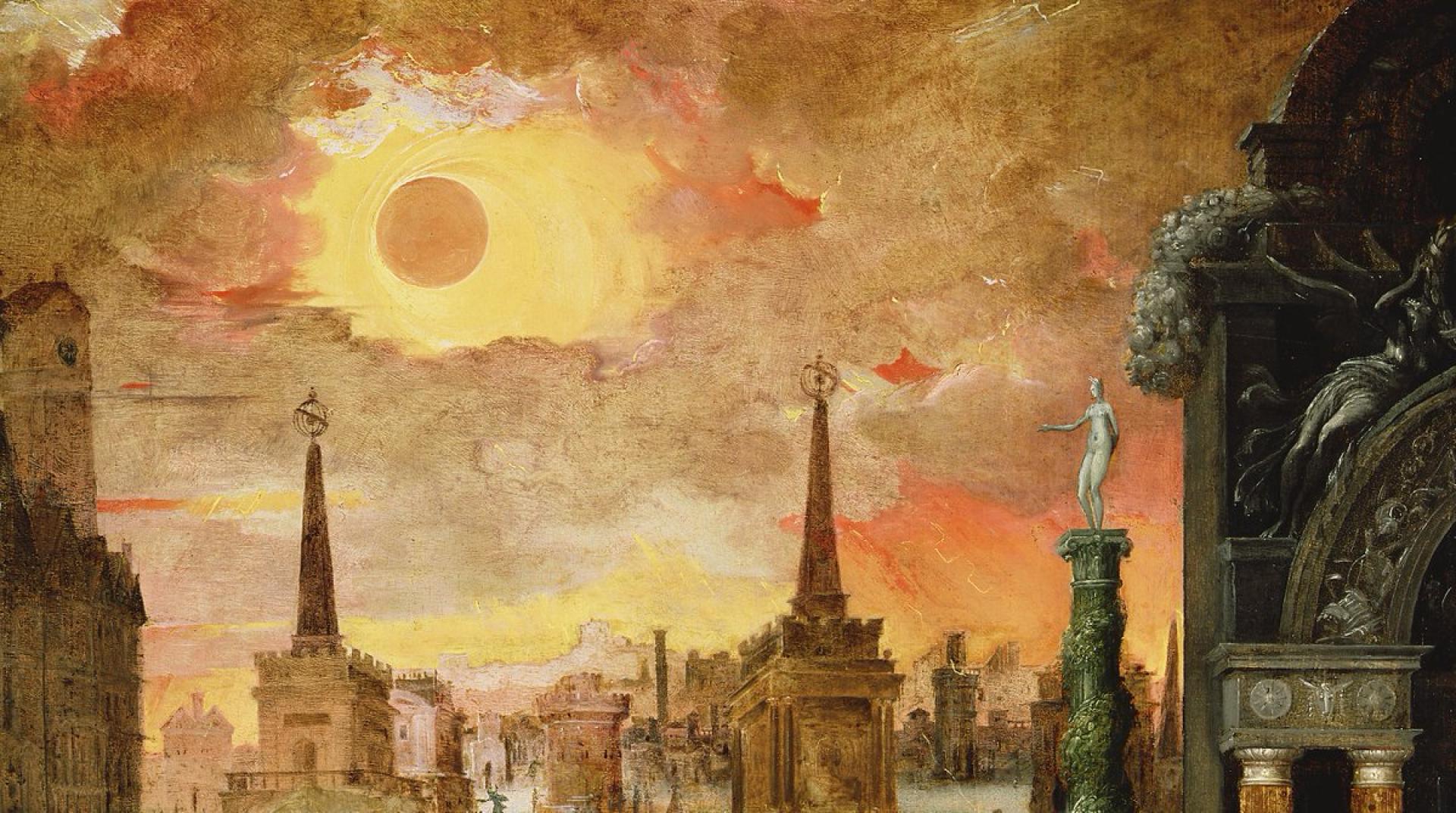
It is a remnant of what has always stirred within human beings when faced with an unusual—and for a long time unexpected—occultation of the Sun by the Moon in broad daylight. Although today we know its causes and can predict it centuries in advance, this spectacle still stirs something deep within us—something that connects to our more emotionally driven way of experiencing the world and that links us to the rest of our fellow creatures in the animal kingdom.
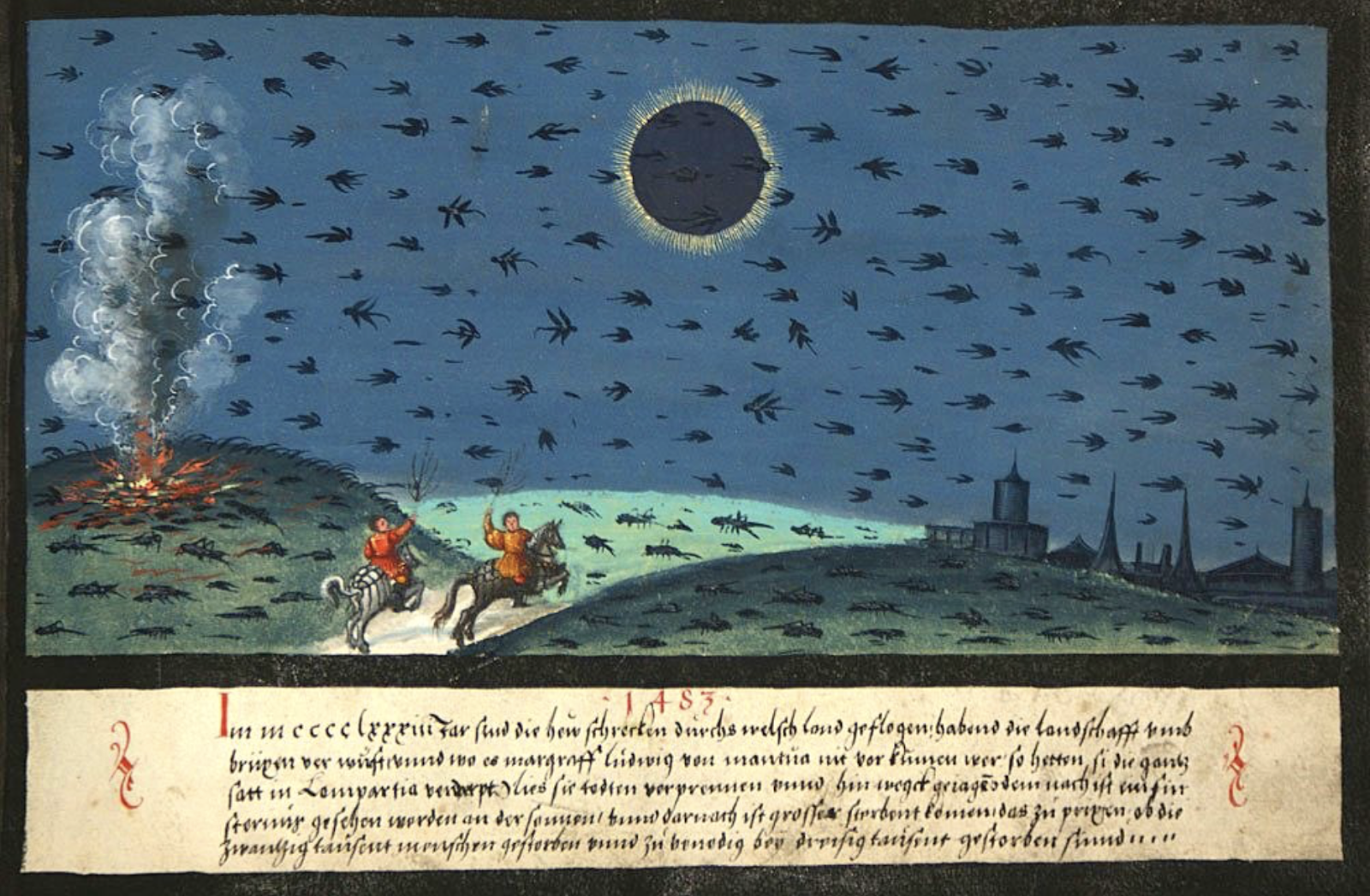
Yes, it’s quite an experience that inspires our most artistic and sensitive side. But that, while it’s a lot, is all there is to it. Because there are other things that eclipses certainly don’t do. For example:
No, they don't have any effect on health… as long as we don't do anything crazy
No, eclipses do not affect the body in any way, as long as we take the necessary precautions to protect our eyes. But otherwise, the brief obscuring of the Sun leaves no mark on our physiology, just as passing through a tunnel does not, for example. We should be more concerned, in this regard, with the near-total loss of the experience of the transition from day to night that is typical in our cities due to artificial lighting, for example, which has been shown to have long-term consequences for our health.
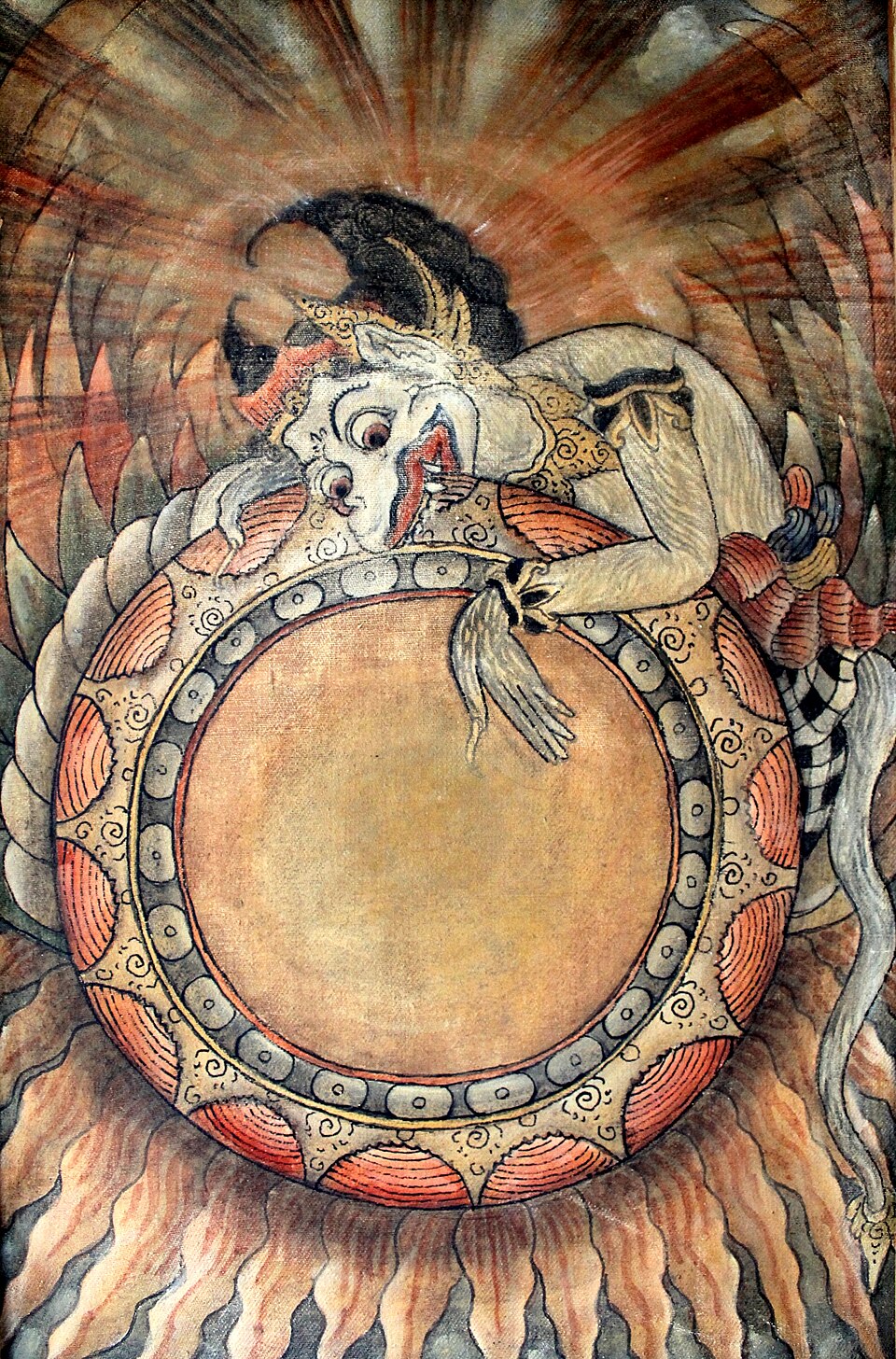
That said, an experiment called SOLARIS—which will take place during the eclipse on August 12—aims to reliably measure, for the first time, the physiological and emotional response during the brief period of darkness. And they are looking for volunteers.
No, they do not affect fertility or cause premature births
This myth is likely linked to the traditional association between the lunar cycle and menstruation, which has led many cultures to attribute a feminine nature to the Moon. Based on this, mythological logic suggests that any disruption in the lunar cycle’s rhythm may have a direct impact on all matters related to fertility. The reality is that there is no actual relationship beyond the symbolic—a realm in which the rules of the game are more personalized to each individual’s preferences.

And no, eclipses do not cause natural disasters
It would be false to claim that the celestial bodies have no influence on our planet. The strongest evidence that this is indeed the case comes from the tides, which are caused by the Moon’s gravitational pull on our oceans. The Sun also has a clear effect on us, starting with the fact that it makes life possible and allows you to be reading this article.
The effects of solar storms—which, incidentally, studying the solar corona during eclipses helps us understand—can cause real problems, especially for our technological civilization. But there’s a world of difference between that and believing that an eclipse can trigger earthquakes or any other natural disaster. It does have an influence, such as causing a drop in temperature, but it is certainly neither a harbinger nor a cause of anything terrible.