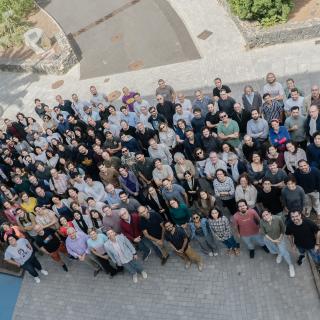
El Instituto de Astrofísica de Canarias reúne a su personal investigador y técnico para presentar los resultados más destacados del último año y abordar los retos científicos de la próxima década El Instituto de Astrofísica de Canarias (IAC) ha celebrado hoy la XVII edición del “Día de Nuestra Ciencia”, un encuentro anual de carácter interno que ha reunido a personal investigador, técnico y de apoyo a la investigación en la sede de IACTEC, en La Laguna. La jornada se ha consolidado como un espacio para compartir los avances científicos y tecnológicos más relevantes desarrollados en el último
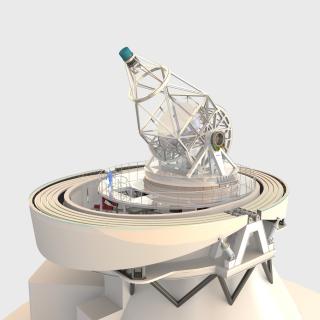
ESFRI reconoce así la importancia y el avance de este proyecto científico internacional, que se construirá en La Palma, y refuerza su posición ante las próximas fases de desarrollo El Telescopio Solar Europeo (EST) ha sido reconocido como Landmark por el Foro Estratégico Europeo sobre Infraestructuras de Investigación (ESFRI) , tras la decisión adoptada en su 97ª reunión celebrada en Cork los días 23 y 24 de septiembre de 2026. El reconocimiento supone un importante paso para esta infraestructura, incluida desde 2016 en la hoja de ruta de ESFRI, y pone de relieve el avance alcanzado en su
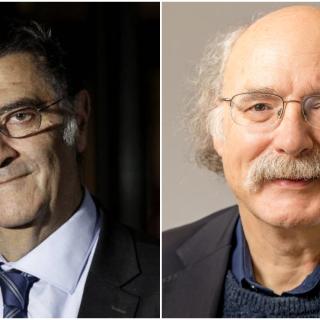
On 9 and 10 April, the Canary Islands Institute of Astrophysics (IAC) will welcome two distinguished physicists: Serge Haroche, winner of the 2012 Nobel Prize in Physics, and F. Duncan Haldane, winner of the 2016 Nobel Prize in Physics. Both scientists have been invited by the IAC to take part in the 18th Congress of Physics Students (COEFIS), organised by students from the University of La Laguna, and will each give a lecture in the IAC Lecture Hall from 10.30 am. On Thursday 9 April, the IAC will welcome Professor Haroche, and on Friday 10 April it will be Professor Haldane’s turn. In both